
News
Jun. 23, 2026
Share:
Sintered Metal Filters are highly effective for various separation processes. However, they can reach a point where they cannot be cleaned further. This issue leads to reduced performance and higher operational costs. Many users may wonder when it's time to replace their sintered metal filters. Recognizing the signs of filter saturation is crucial. These indicators can save you both time and money in the long run. Understanding the cleaning limitations of your filter will improve its efficiency and lifespan.
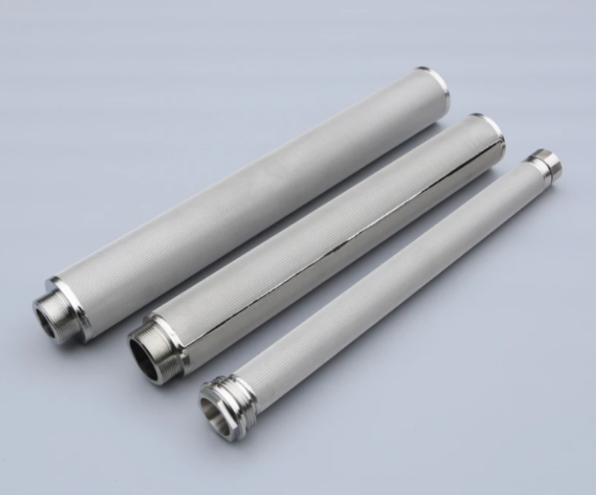
The most direct answer to the question is: **When you notice severe clogging, reduced flow rates, physical damage, or a change in filtration performance, it is likely that your sintered metal filter element cannot be cleaned further.**
When a sintered metal filter becomes clogged, it can no longer pass liquid or gas effectively. This is often visible when the pressure drop across the filter increases significantly. Regular monitoring is essential to detect these issues early.
A noticeable drop in flow rate can indicate that the filter is nearing its end. Operators should compare current flow rates with historical data to assess the extent of performance loss.
Inspecting the filter for cracks or dents is vital. Such physical damage can compromise the filter's effectiveness. If any breakage is found, replacement is necessary.
Any sudden changes in the quality of the filtered product could signal that the filter is no longer effective. Consistent monitoring can help you identify these changes early.
If you find yourself cleaning the filter more often, it may not be able to regain full functionality. A high maintenance frequency is often indicative of a filter nearing its limit.
Any strange smells or the presence of unusual contaminants in the filtered output should be taken seriously. These can suggest that the filter has lost its capacity to trap unwanted materials.
Recognizing the signs that a sintered metal filter element cannot be cleaned further is essential for maintaining optimal performance. By being vigilant about clogging, flow rates, physical damage, and other performance indicators, you can make informed decisions about repairs or replacements. Understanding these factors will enhance the efficiency of your filtration processes.
What is a sintered metal filter?
A sintered metal filter is a device made from metal particles that are fused together to form a porous medium. It is used for filtering liquids and gases.
How often should I clean my sintered metal filter?
The cleaning frequency depends on application conditions. Monitoring flow rates and performance can guide you in determining the right interval.
Can I repair a damaged sintered metal filter?
In cases of minor damage, repair may be possible. However, significant damage usually requires replacement.
What are the advantages of using sintered metal filters?
Sintered metal filters offer high strength, durability, and resistance to chemicals. They can be used in high-temperature applications as well.
How do I know when to replace my sintered metal filter?
Replace your filter when you observe severe clogging, reduced flow rates, physical damage, or any performance changes.
What are the common applications of sintered metal filters?
They are commonly used in water treatment, oil & gas filtration, food processing, and chemical industries.

Related Products


Stainless Steel Pleated Filter Cartridge
Guangtong's stainless steel pleated filters are composed of stainless steel mesh material, featuring a wide filtration area, strong dirt-holding capacity, and fast filtration rate.
View More

Wedge wire filters are high-performance metal filtration components known for their excellent filtration efficiency, high strength, strong structural rigidity, and uniform slot openings.
View More

The cylindrical wire mesh filter is a metallic filtration component engineered based on the principle of rigid sieving, characterized by uniform pore distribution, excellent gas permeability, and high efficiency in cleaning and purifying filtrates.
View More

Constructed from durable materials, the stainless steel pre-filter exhibits extended service life and superior filtration accuracy. Its compatibility with various air and water filtration systems renders it an optimal choice for diverse environments and applications.
View More

Perforated tubes and etched tubes are precision metal filter elements with high mechanical strength, large opening area, and easy cleaning and maintenance, making them ideal choices for coarse filtration and mechanical protection.
View More

The wire mesh filter discs, also known as a flanged-edge filter, features a reinforced outer frame surrounding the filtration medium to ensure structural stability and rigidity. It is typically designed as a disposable product and requires periodic replacement.
View More

The leaf disc filter employs innovative technology to provide high-efficiency filtration, while allowing easy cleaning, replacement, and maintenance. It is an ideal solution for a wide range of liquid filtration applications.
View More

Extruder screens are metal filtration components used to remove impurities from molten plastics. They offer strong impact resistance and excellent structural stability, making them resistant to deformation and damage while ensuring long-term reliable operation.
View More

Stainless steel basket filters are metal filter elements made of perforated metal and woven mesh. They offer precise filtration, good corrosion resistance, and are often installed upstream of critical equipment such as pumps, control valves, and steam traps.
View MoreSearching For Solutions For Metal Filters,Not Just Suppliers
— READY TO START A PROJECT?
Fast Responses from premium suppliers
One Request, Multiple Quotes
Reach Global Suppliers
Accurate Business Matchmaking
Get A Free Quote


