Hydrogen Energy & Battery
Hydrogen Energy & Battery
In the hydrogen production industry, high-temperature water electrolysis is a prevalent method that leverages the hydrogen-electric effect of proton exchange membranes to achieve high conversion efficiency, yielding ultra-pure hydrogen with a purity level exceeding 99.9999%. This product is readily storable and well-suited for large-scale production. Conversely, chlor-alkali hydrogen production involves the electrolysis of saturated brine, concurrently generating sodium hydroxide (caustic soda), chlorine gas, and hydrogen. The specific process flow and product specifications in this method are influenced by the structural design of the electrolyzer, with diaphragm electrolysis being the most commonly employed technique.
The lithium battery industry constitutes a core sector within the new energy field, centering on battery cell manufacturing and packaging. It represents a high-precision electrochemical industry with stringent safety requirements, finding applications in new energy vehicles, energy storage power stations, and 3C electronics, among others. Filtration technology is extensively utilized in processes such as electrode slurry preparation and separator production.


Client Challenges
The hydrogen production industry utilizes raw materials such as water and saturated saline solutions to generate hydrogen via electrolysis and other methods. During the electrolytic process, the hydrogen produced is typically entrained with impurities and moisture, necessitating multi-stage filtration and purification to enhance hydrogen purity. This ensures its effective application in subsequent processes and prevents operational inefficiencies caused by impurities.
The battery manufacturing sector imposes stringent requirements for production environment cleanliness and slurry consistency. In electrode slurry preparation, micron-scale magnetic contaminants and particles capable of piercing separators and inducing short circuits must be eliminated. During separator production, uniformity of micropores must be ensured to prevent lithium dendrite penetration.
01Adverse effects on subsequent processes.
02Short service life.
03Low operational efficiency.
04Increasingly stringent requirements for environmental protection, low-carbon practices, and energy conservation.
Solutions
Metal Filter

Woven Wire Mesh

Knitted Wire Mesh

Sintered Mesh

Stainless Steel Welded Wire Mesh

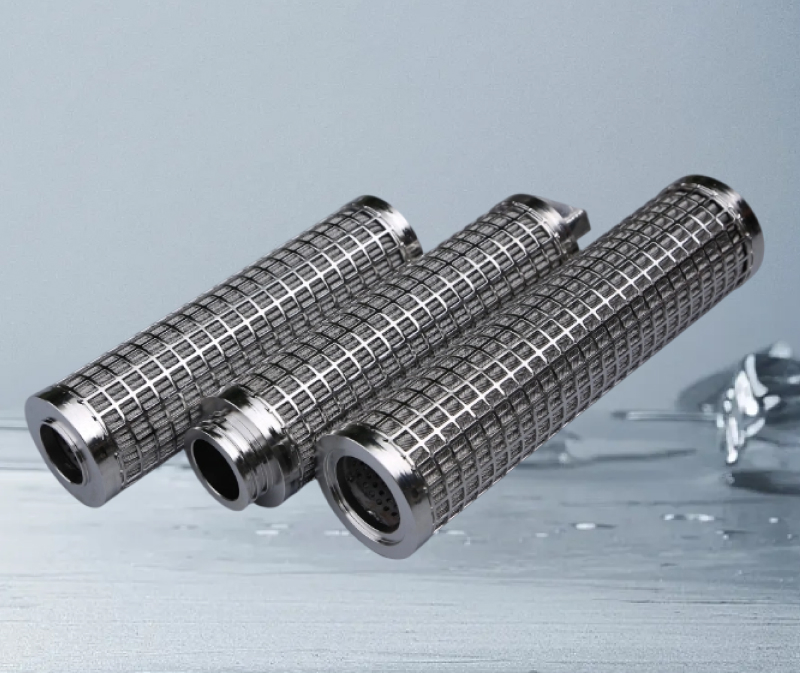
Stainless Steel Pleated Filter Cartridge
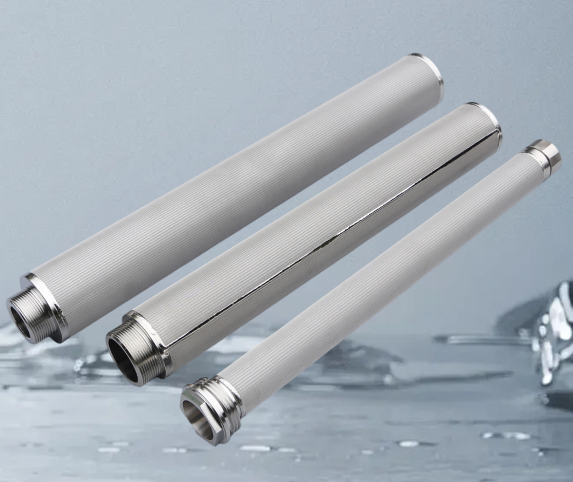
Guangtong's stainless steel pleated filters are composed of stainless steel mesh material, featuring a wide filtration area, strong dirt-holding capacity, and fast filtration rate.
View More
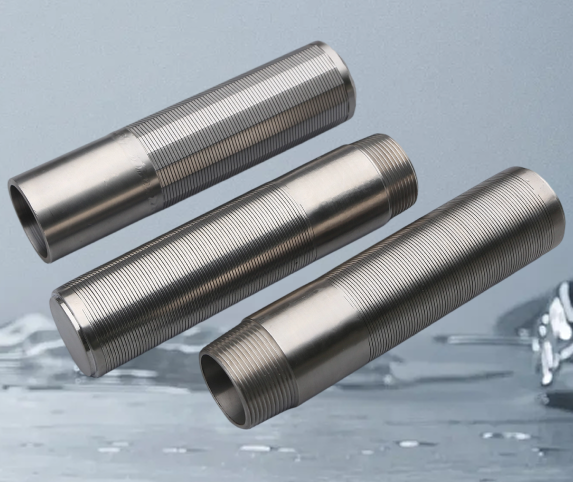
Wedge wire filters are high-performance metal filtration components known for their excellent filtration efficiency, high strength, strong structural rigidity, and uniform slot openings.
View More
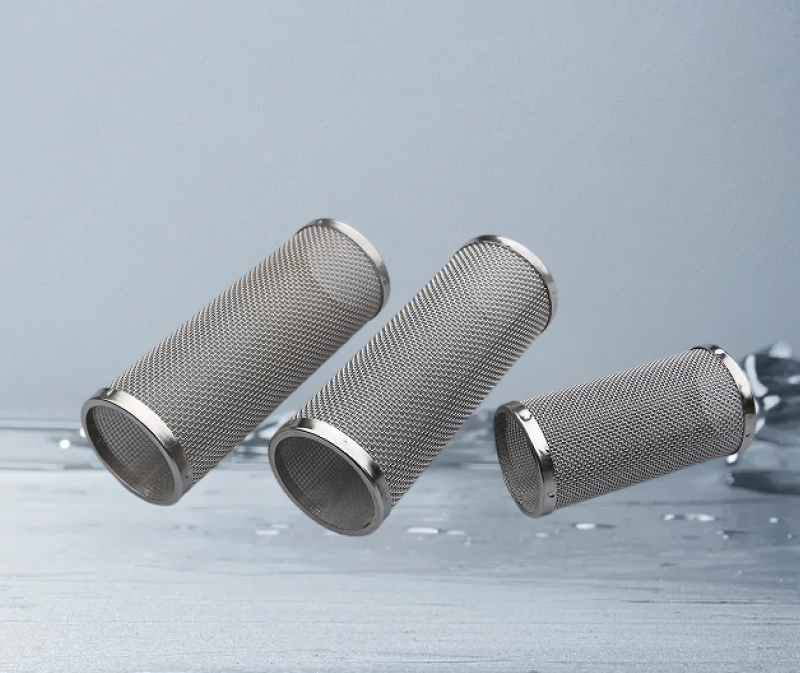
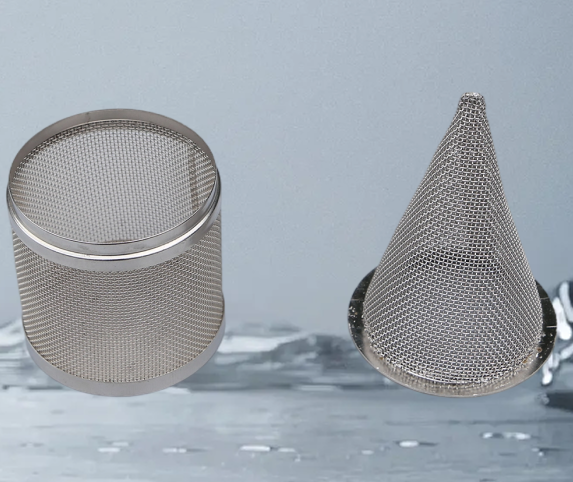
The cylindrical wire mesh filter is a metallic filtration component engineered based on the principle of rigid sieving, characterized by uniform pore distribution, excellent gas permeability, and high efficiency in cleaning and purifying filtrates.
View More
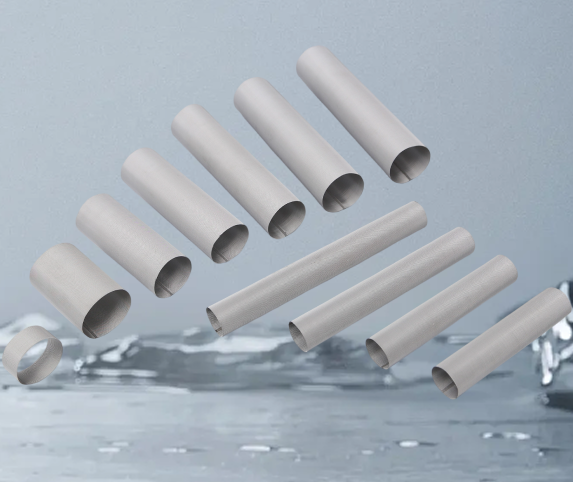
Constructed from durable materials, the stainless steel pre-filter exhibits extended service life and superior filtration accuracy. Its compatibility with various air and water filtration systems renders it an optimal choice for diverse environments and applications.
View More
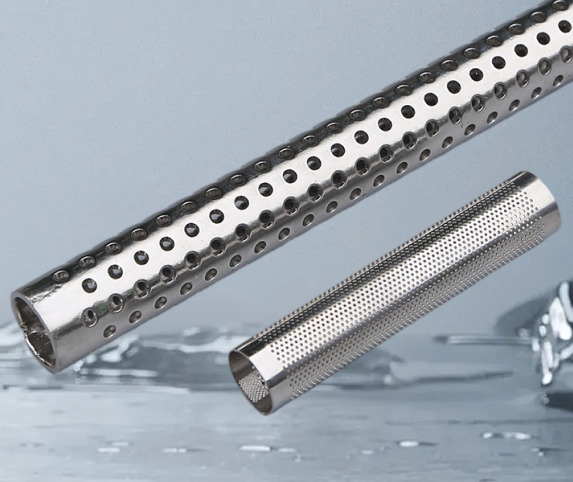
Perforated tubes and etched tubes are precision metal filter elements with high mechanical strength, large opening area, and easy cleaning and maintenance, making them ideal choices for coarse filtration and mechanical protection.
View More
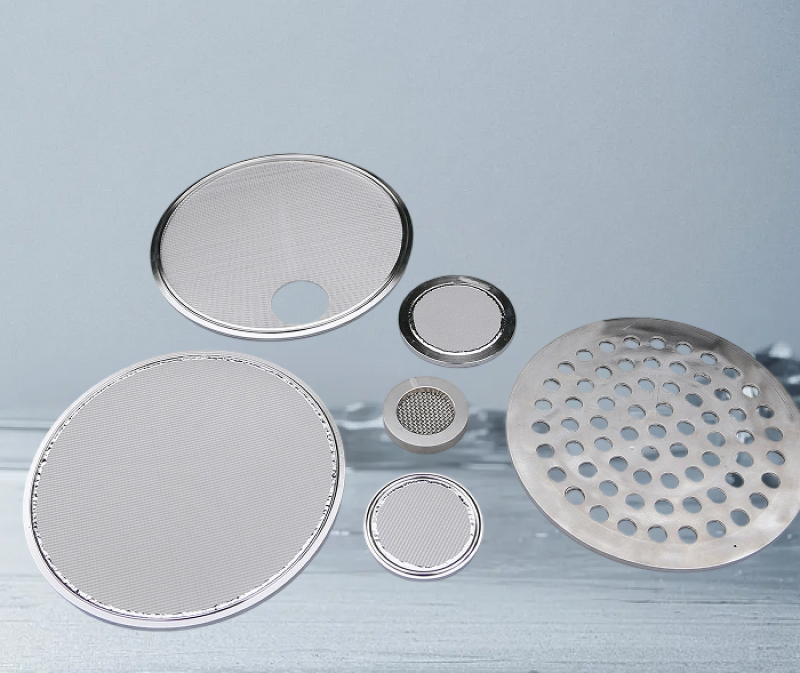
The wire mesh filter discs, also known as a flanged-edge filter, features a reinforced outer frame surrounding the filtration medium to ensure structural stability and rigidity. It is typically designed as a disposable product and requires periodic replacement.
View More

The leaf disc filter employs innovative technology to provide high-efficiency filtration, while allowing easy cleaning, replacement, and maintenance. It is an ideal solution for a wide range of liquid filtration applications.
View More
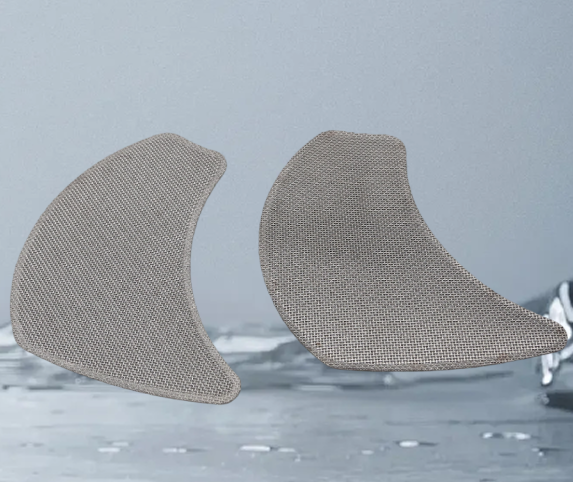
Extruder screens are metal filtration components used to remove impurities from molten plastics. They offer strong impact resistance and excellent structural stability, making them resistant to deformation and damage while ensuring long-term reliable operation.
View More
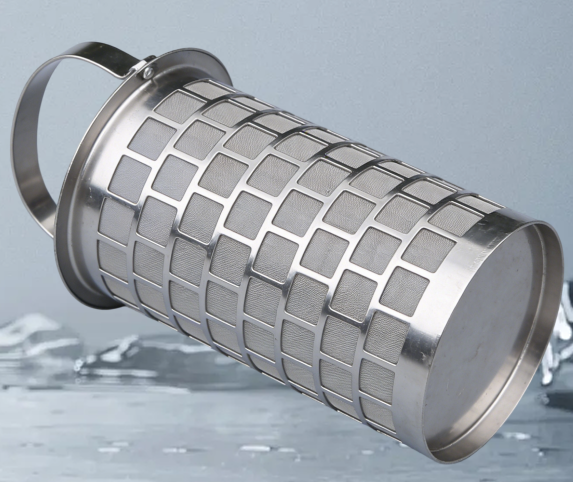
Stainless steel basket filters are metal filter elements made of perforated metal and woven mesh. They offer precise filtration, good corrosion resistance, and are often installed upstream of critical equipment such as pumps, control valves, and steam traps.
View More
Stainless steel wire mesh serves as the most fundamental and widely used material for industrial filtration and screening, supporting a comprehensive range of weaving methods. It exhibits excellent corrosion resistance, high-temperature durability, and superior performance.
View More
Brass wire mesh is a metallic mesh woven from premium brass wires, accommodating various weaving techniques. It features a stable structure, excellent electrical conductivity, and non-magnetic properties. This product is widely used in both traditional industrial applications and decorative construction sectors.
View More
Epoxy coated wire mesh is a high-performance composite material characterized by its uniformly square apertures, robust structural integrity, and exceptional resistance to deformation. It serves as a versatile and widely utilized solution in both industrial and construction applications.
View More
Monel wire mesh is a high-performance metal mesh that optimally integrates the superior corrosion resistance of Monel alloy with the structural functionality of wire mesh, rendering it an ideal solution for marine industry applications.
View More
The nickel wire mesh is fabricated from high-purity nickel wires with a nickel content of no less than 99%, exhibiting outstanding electrical conductivity, ductility, and resistance to acids and alkalis. It plays an indispensable role in a wide range of industrial applications.
View More
Mild steel wire mesh is a metallic netting fabricated from low-carbon steel wire as the raw material, characterized by cost-effectiveness and structural stability. It is extensively employed in the rubber industry, plastics industry, and grain filtration processes.
View More
Plain Weave Wire Mesh is the most prevalent and widely applied type of square-opening woven wire mesh, characterized by uniform aperture distribution and excellent air permeability, making it a commonly utilized filter medium for precision-manufactured products.
View More
Twill Weave Wire Mesh, manufactured using advanced weaving machinery, exhibits high mechanical strength, superior pressure resistance, and a broad range of applications.
View More
Crimped wire mesh is a type of common metal wire mesh manufactured through a core process known as "pre-crimping before weaving." The warp and weft wires are tightly interlocked via crimping, resulting in a firm and highly stable structure.
View More
Plain Dutch weave wire mesh uses a plain weave structure, yet is distinct from standard plain woven mesh. Characterized by its high tensile strength and superior filtration precision, it is a specialized type of metal woven mesh designed for fine filtration applications.
View More
Twilled Dutch Weave Wire Mesh is an enhanced version of plain Dutch weave mesh, designed for high-precision filtration applications. Its manufacturing process combines the twill weaving technique with the dutch weave structure, resulting in finer mesh apertures and superior filtration performance, making it suitable for more demanding filtration conditions.
View More
Reversed Plain Dutch Weave Wire Mesh
Reversed Plain Dutch Weave wire mesh, a distinctive weaving variant within the screen mesh category, features high mechanical strength and superior resistance to deformation, engineered to address specialized filtration and screening challenges in specific operating conditions.
View More
Reversed Twill Dutch Weave Wire Mesh
Reversed Twill Dutch Weave wire mesh is a high-density filtration screen characterized by its innovative twill weaving structure in a reverse pattern, representing an upgraded version of conventional plain reverse dutch weave. It exhibits superior mechanical strength and enhanced structural stability, making it a widely adopted filtration solution in industrial applications.
View More
The 5-Heddle Weave Wire Mesh, manufactured through the quintuple-harness weaving technique, demonstrates stable mechanical properties and high flow rate, making it well-suited for high-end industrial filtration applications.
View More
Herringbone weave wire mesh, a specialized form of twill weave characterized by a herringbone pattern, exhibits a compact structure and high mechanical strength, making it particularly suitable for industrial screening and filtration applications.
View More
Stainless Steel Knitted Wire Mesh
Stainless steel knitted wire mesh is a type of woven wire mesh fabricated using a crocheting technique, available in two surface types: flat and corrugated. It exhibits excellent flexibility and is easy to process and maintain.
View More
Guangtong knitted copper mesh is made from 99.9% pure copper using oil-free weaving, producing a clean, uniform surface with excellent high-temperature and corrosion resistance.
View More
The Alloy Knitted Mesh is a highly efficient gas-liquid separation element fabricated from specialized alloy materials, featuring both flat and corrugated surface types. It exhibits exceptional surface cleanliness and superior mechanical strength.
View More
The three-layer sintered mesh produced by Guangtong is made from three layers of stainless steel wire mesh through a special lamination and vacuum sintering process. It offers high mechanical strength and excellent overall rigidity, making it suitable for further fabrication and deep processing applications.
View More
The Five layer sintered wire mesh is a high-performance filtration material fabricated by compositing 5 layers of woven wire meshes through vacuum sintering technology, featuring stable filtration accuracy and minimal deformation.
View More
Stainless Steel Welded Wire Mesh
Stainless steel welded wire mesh is typically categorized into welded wire mesh panels and rolls. Manufactured through automated welding processes, it offers excellent durability, wear resistance, and structural rigidity.
View MoreSolution Advantages

Customized Solutions
Through flexible solution adjustments tailored to customer requirements and technical drawings, our products undergo continuous optimization.

Unremitting Pursuit of Excellence
Equipped with a professional R&D team, we conduct in-depth research into customer needs and provide timely and effective responses to customer requirements.

Quality Commitment
Quality is paramount. Each product is manufactured under stringent production controls and rigorous testing protocols to ensure stable performance across every operational scenario.
Successful Case

Korean Lithium Battery Industry - Electrolyte Precision Filtration Project
During the electrolyte preparation process at this Korean lithium battery manufacturer, trace particle impurities pose a risk to cell consistency and lifecycle, while the highly corrosive nature of the electrolyte challenges conventional filtration systems. The company’s bespoke 316L metal disc filter engineered by our plant effectively safeguards electrolyte purity and enhances battery longevity, delivering performance aligned with the stringent standards of the lithium-ion battery sector.

French Industrial Hydrogen Production Facility - High-Purity Hydrogen Purification and Filtration Project
This hydrogen producer adopts a natural gas-based synthesis process. Within its system, trace particle impurities, dust, and condensates present in the hydrogen product fall short of the purity requirements for downstream use, exposing both equipment and fuel cell critical components to potential damage. Standard filtration solutions were unsuitable for such aggressive operational conditions. By deploying a tailored 316L stainless steel pleated filter element, the facility successfully meets high-purity hydrogen specifications, enables stable long-term operation of downstream units, and reduces overall maintenance costs and component degradation — achieving full compatibility with the operational demands.

Related Products

Stainless Steel Pleated Filter Cartridge
Guangtong's stainless steel pleated filters are composed of stainless steel mesh material, featuring a wide filtration area, strong dirt-holding capacity, and fast filtration rate.
View More

Wedge wire filters are high-performance metal filtration components known for their excellent filtration efficiency, high strength, strong structural rigidity, and uniform slot openings.
View More

The cylindrical wire mesh filter is a metallic filtration component engineered based on the principle of rigid sieving, characterized by uniform pore distribution, excellent gas permeability, and high efficiency in cleaning and purifying filtrates.
View More

Constructed from durable materials, the stainless steel pre-filter exhibits extended service life and superior filtration accuracy. Its compatibility with various air and water filtration systems renders it an optimal choice for diverse environments and applications.
View More

Perforated tubes and etched tubes are precision metal filter elements with high mechanical strength, large opening area, and easy cleaning and maintenance, making them ideal choices for coarse filtration and mechanical protection.
View More

The wire mesh filter discs, also known as a flanged-edge filter, features a reinforced outer frame surrounding the filtration medium to ensure structural stability and rigidity. It is typically designed as a disposable product and requires periodic replacement.
View More

The leaf disc filter employs innovative technology to provide high-efficiency filtration, while allowing easy cleaning, replacement, and maintenance. It is an ideal solution for a wide range of liquid filtration applications.
View More

Extruder screens are metal filtration components used to remove impurities from molten plastics. They offer strong impact resistance and excellent structural stability, making them resistant to deformation and damage while ensuring long-term reliable operation.
View More

Stainless steel basket filters are metal filter elements made of perforated metal and woven mesh. They offer precise filtration, good corrosion resistance, and are often installed upstream of critical equipment such as pumps, control valves, and steam traps.
View MoreSearching For Solutions For Metal Filters,Not Just Suppliers
— READY TO START A PROJECT?
Fast Responses from premium suppliers
One Request, Multiple Quotes
Reach Global Suppliers
Accurate Business Matchmaking
Get A Free Quote